One shape. No compromise
The E-Type's silhouette requires no reinvention—only precise elevation. We preserve the iconic proportions that captivated the automotive world while re-engineering every mechanical component for modern high-performance demands.
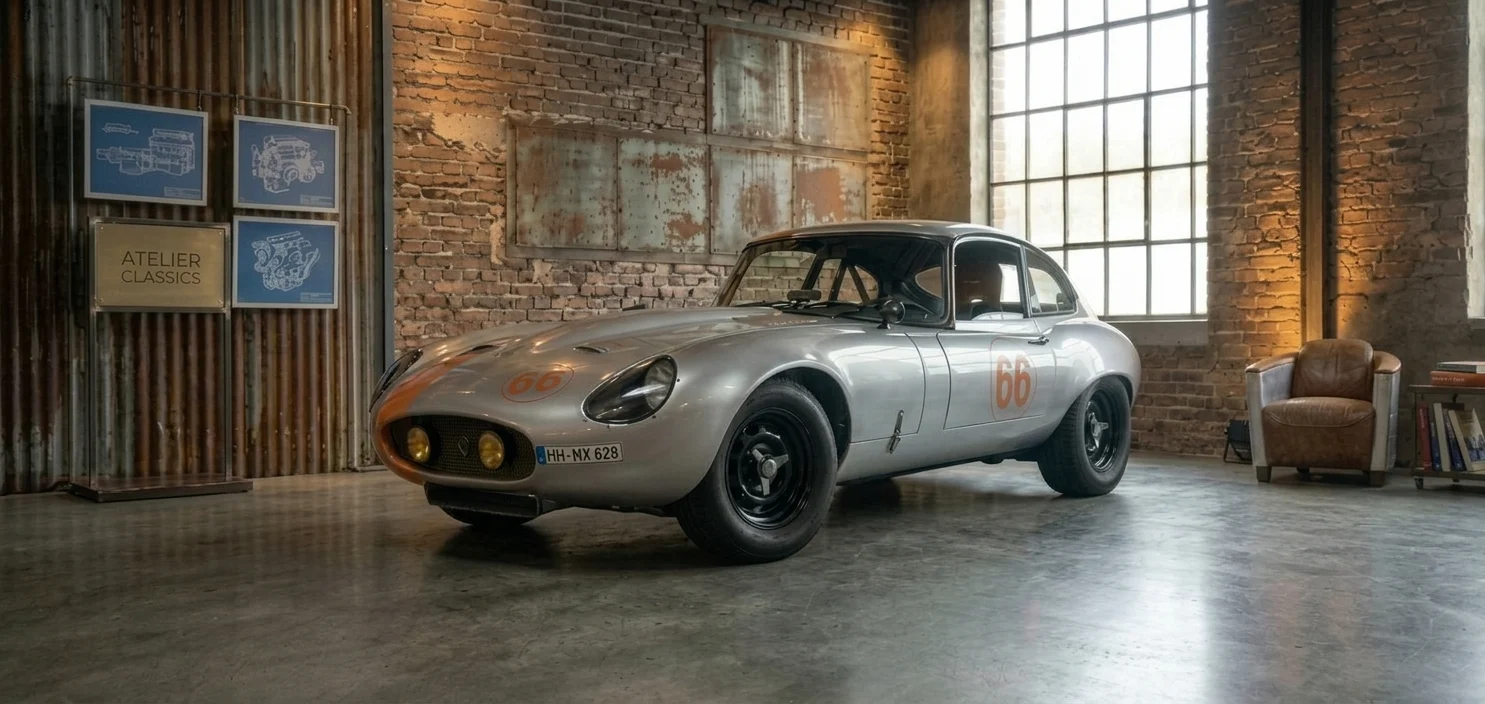
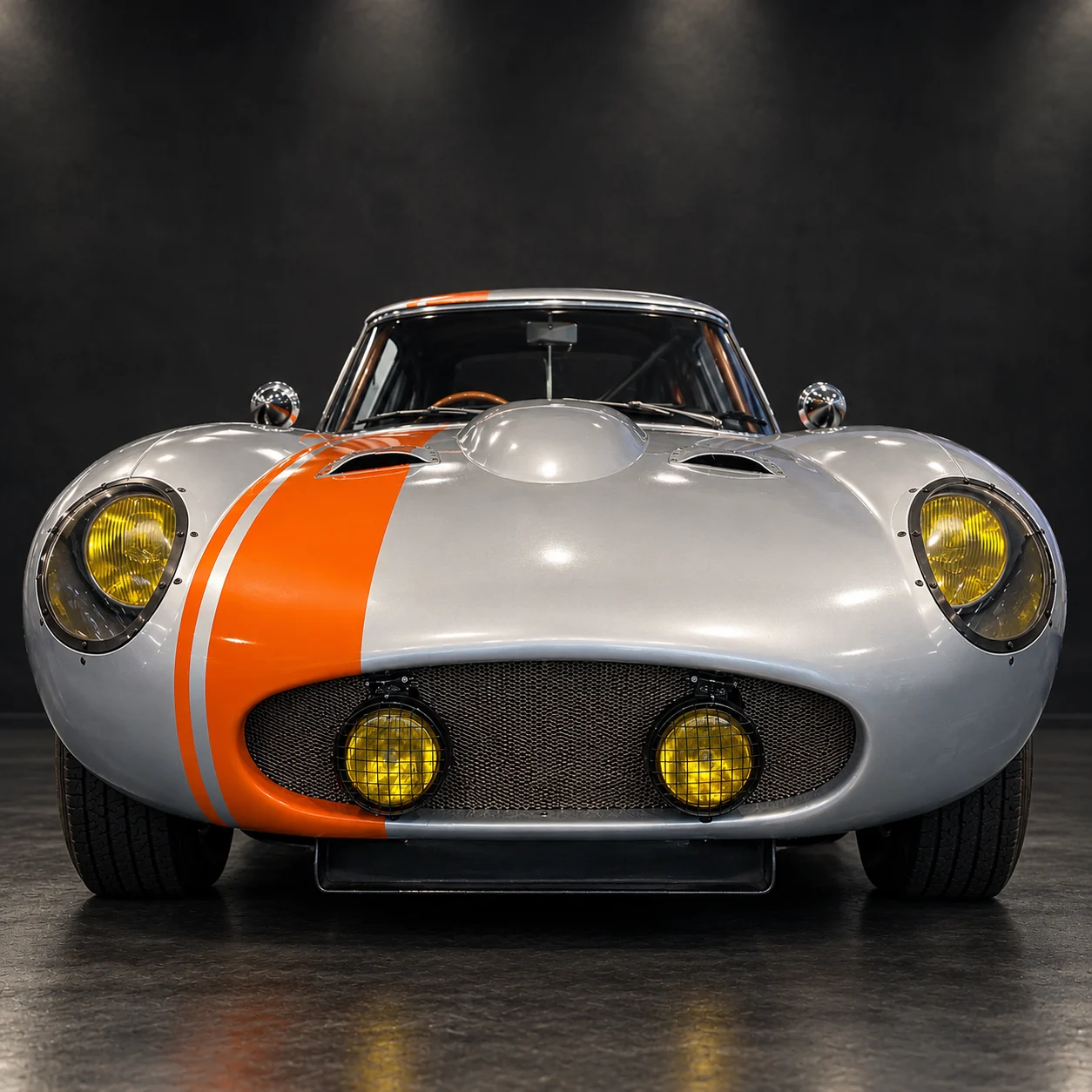
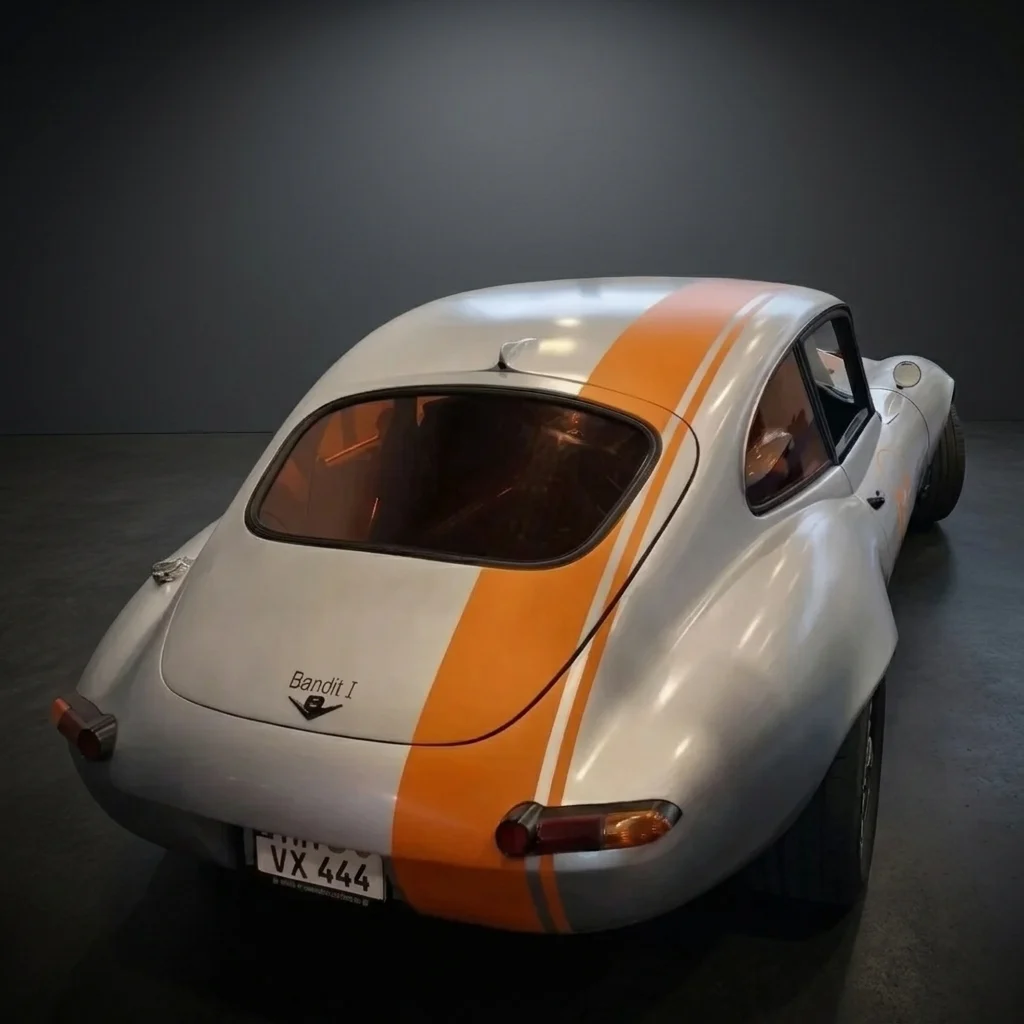
Commission No. 01 — “Bandit I”
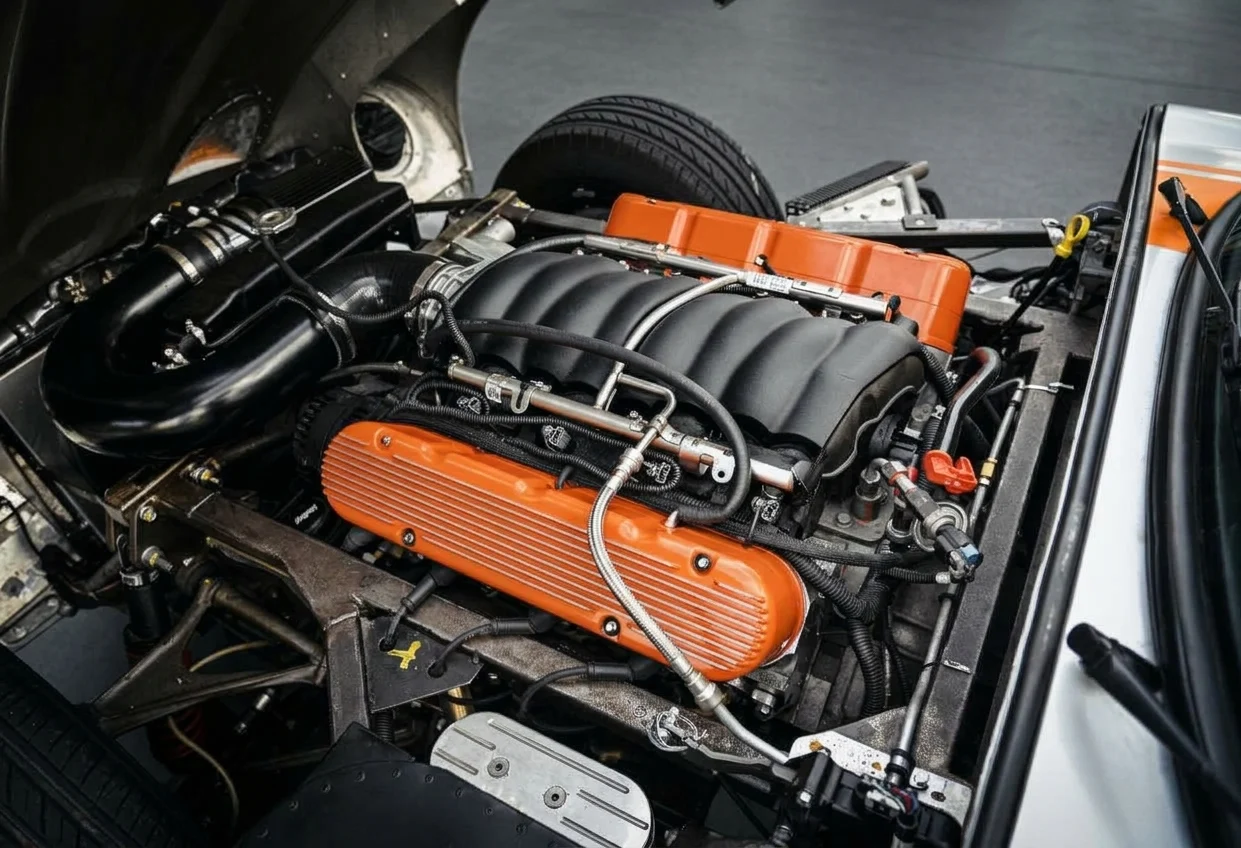
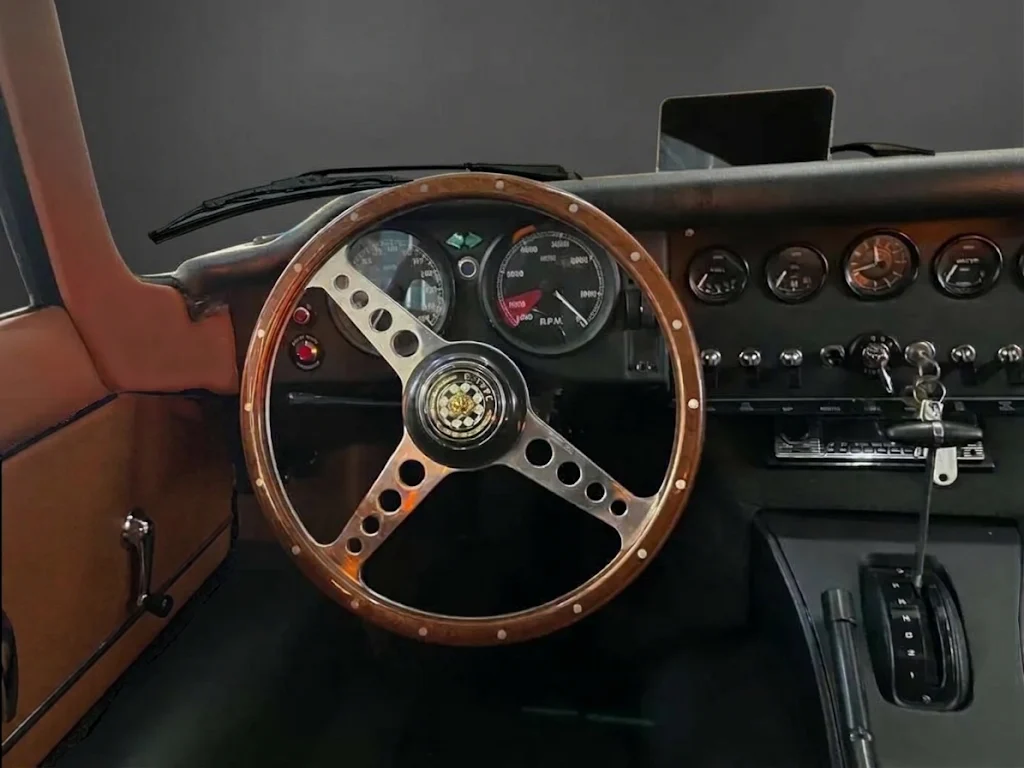
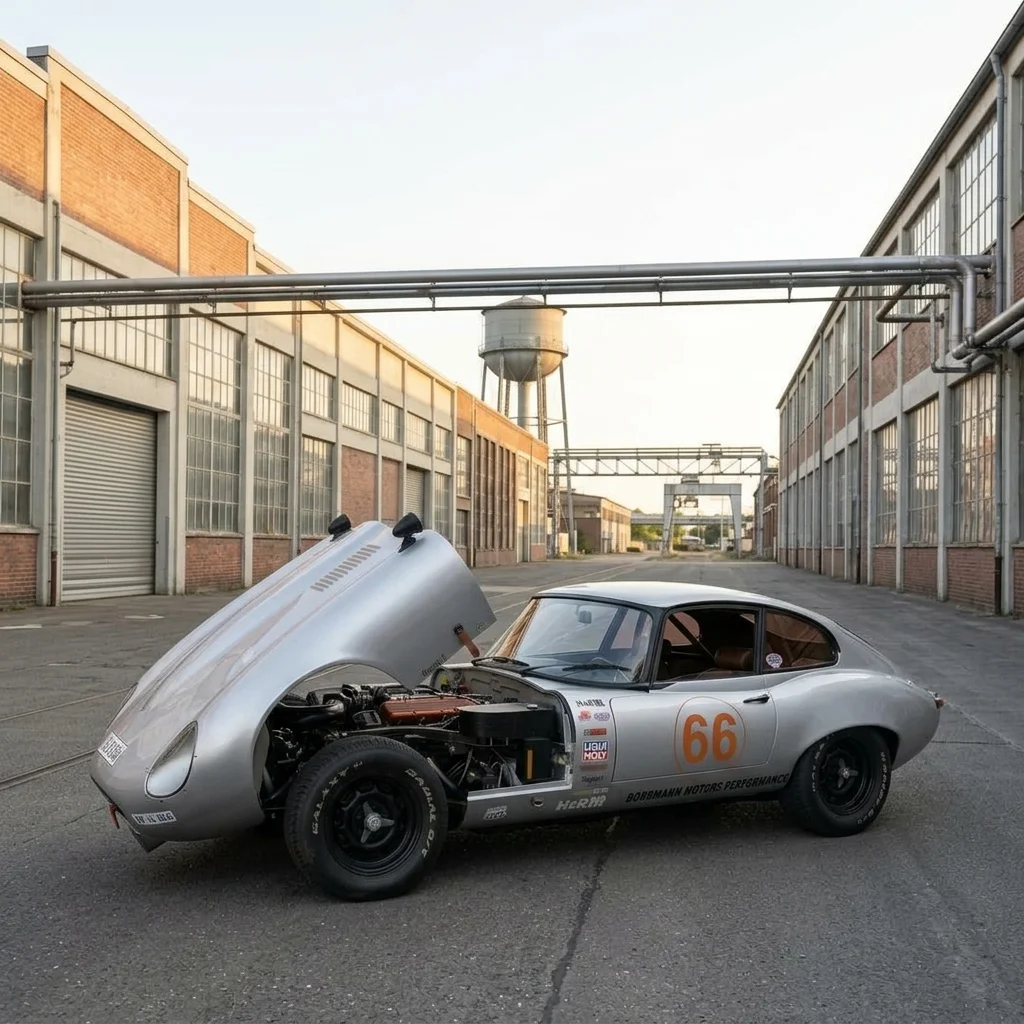
Finished in bespoke liquid-silver coachwork anchored by twin racing stripes, Bandit I represents the Borrmann benchmark. Featuring a structural motorsport roll cage, full saddle-grain leather cockpit, and a high-output V8 calibrated for dynamic road engagement rather than static display.
Option A6.2-litre V8, 320 kW (435 PS), 575 Nm of torque
Option BFully electric, 180 kW (245 PS), 55 kWh battery with fast charging, approx. 300 km range
The origin of your commission
A Borrmann commission begins with a verified Series 3 donor chassis—supplied directly by you or sourced on your behalf through our global network.
Body style, bespoke paint formulas, interior hide selections, and powertrain dynamics are specified collaboratively during a personal consultation at our Hamburg Atelier.
A legend worth building on
Geneva, 1961
The motoring world stopped. An icon was born, so purely sculpted it now resides in the permanent design collection of New York’s Museum of Modern Art.
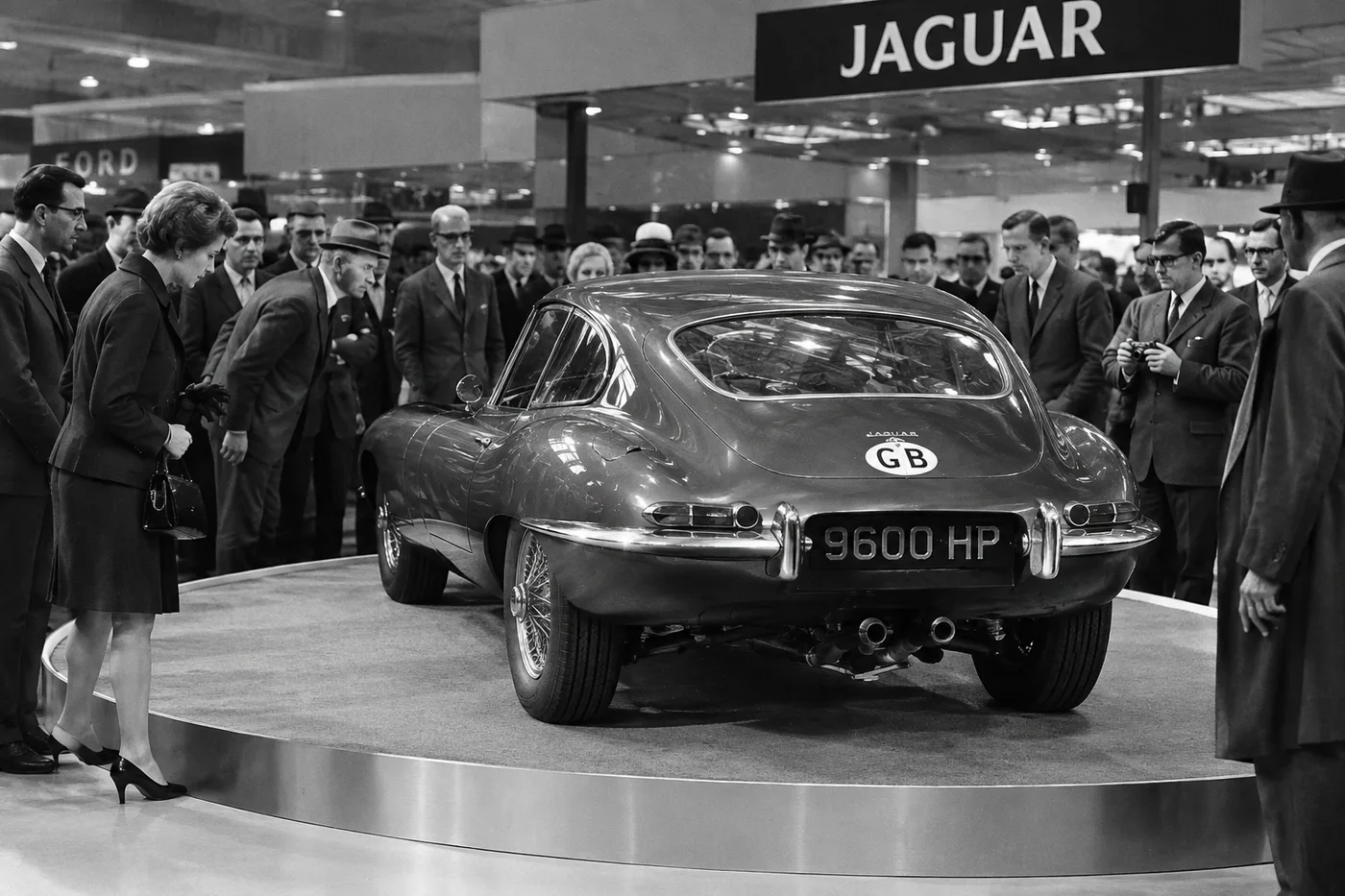
Unexpected success
Jaguar never expected to sell many. The E-Type was conceived as a low-volume flagship.
Geneva changed everything. Test driver Norman Dewis drove a second car through the night from Coventry to meet the demand for demonstration runs, and the orders outran every plan. Production was scaled up again and again — by 1975, more than 70,000 had been built.
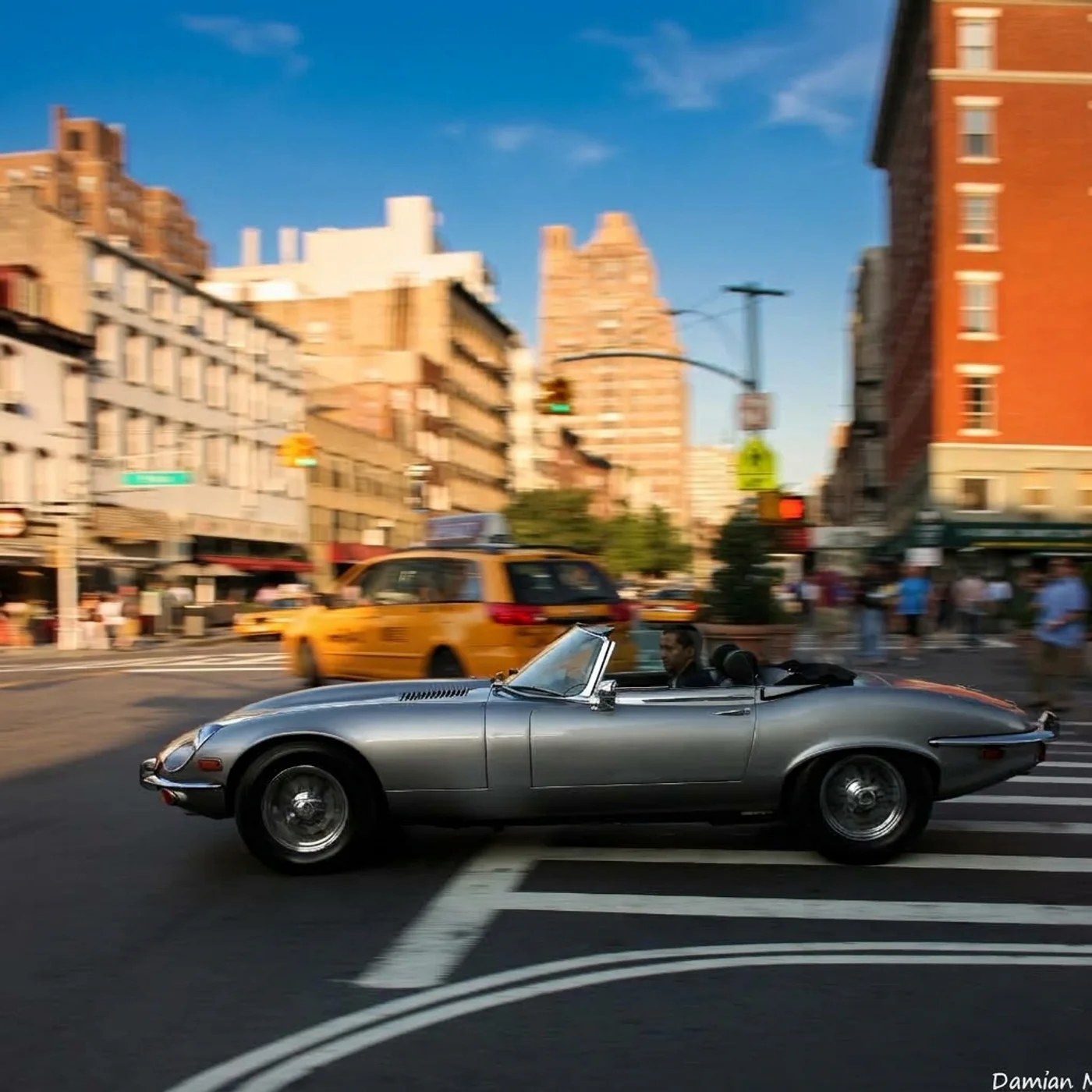
Photo: Damian Morys, licensed CC BY 2.0
Iconic design
Malcolm Sayer did not sketch the E-Type. He calculated it.
Using fluid dynamics and aviation mathematics, he drew a silhouette capable of an unprecedented 150 mph.
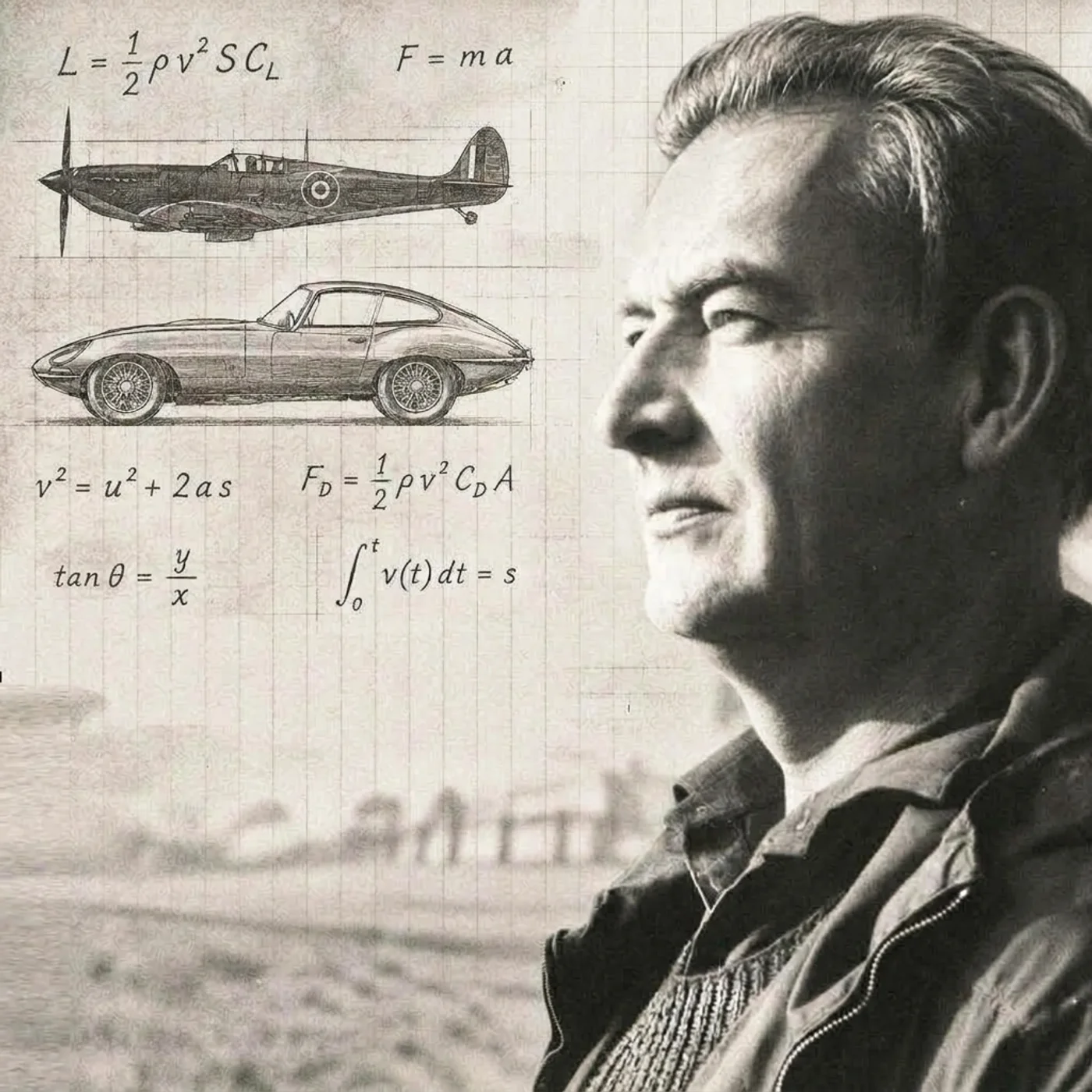
150 mph
150 mph. That was the top speed Jaguar advertised in 1961 — an extraordinary figure for a road car.
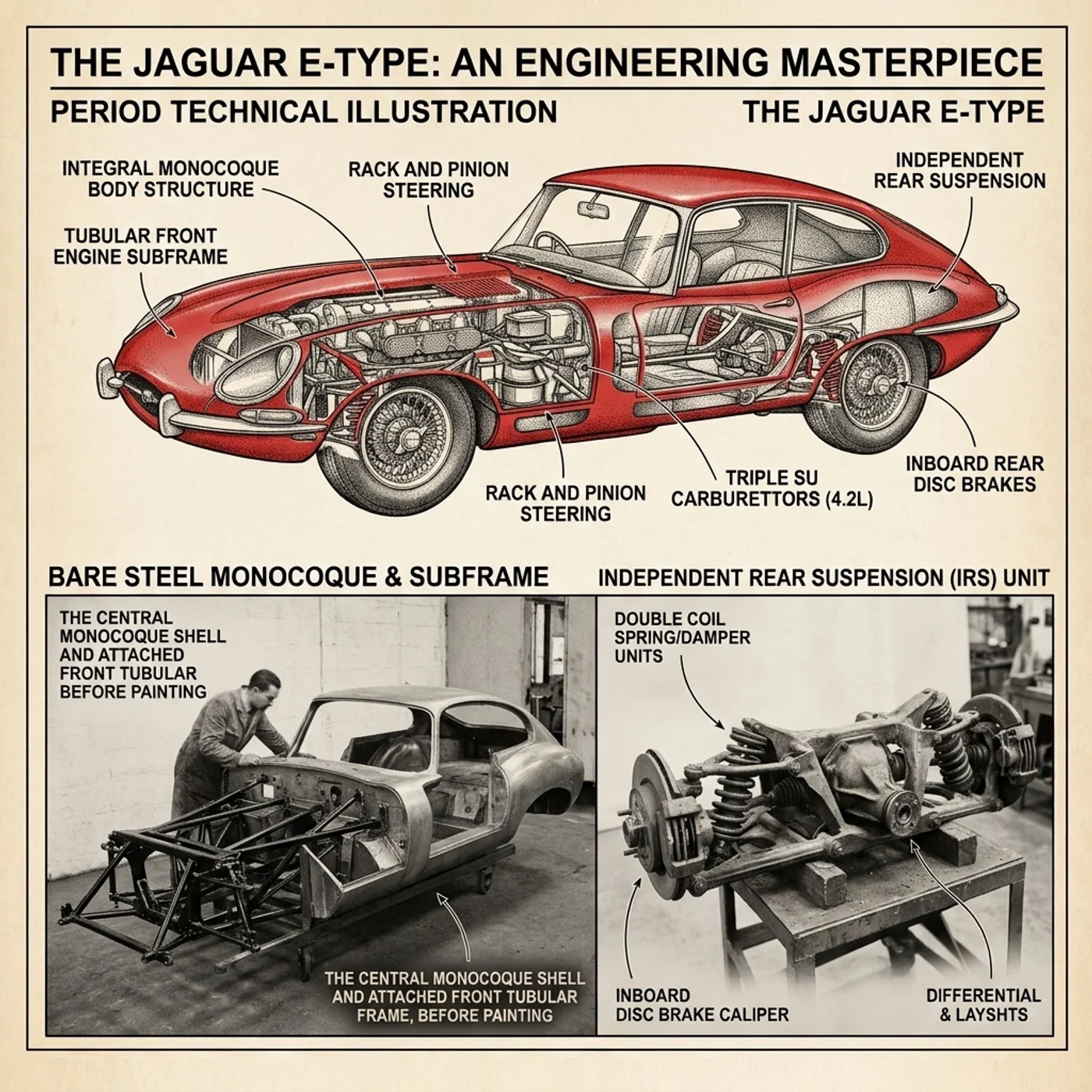
Beneath the bonnet sat an engine proven at Le Mans: the 3.8-litre XK straight-six, with twin overhead camshafts and three SU HD8 carburettors, rated at 265 bhp (gross) and 260 lb-ft of torque.
Race-bred engineering, at a fraction of the price of its rivals.
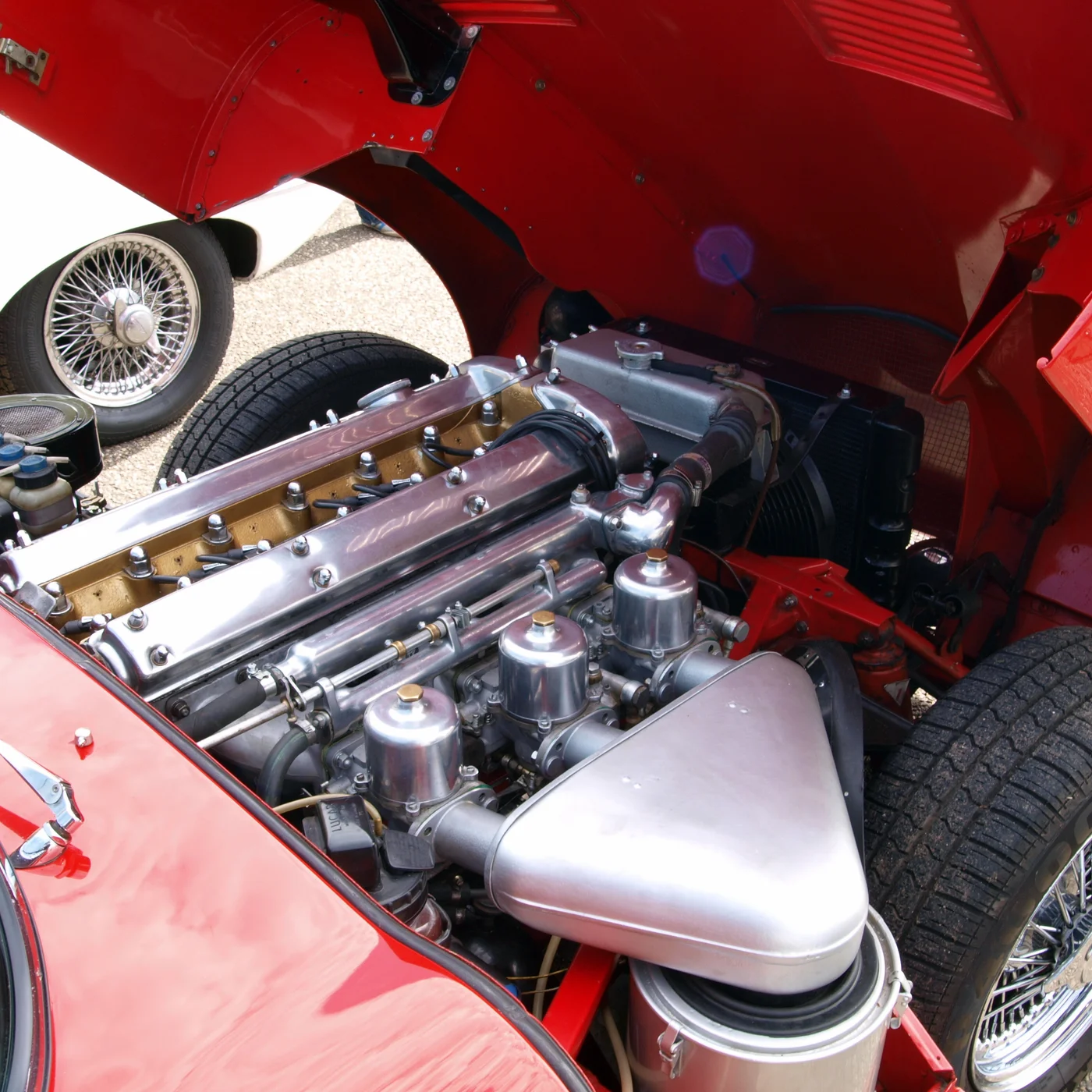
Race-Bred Architecture
Built around a steel monocoque tub and lightweight subframe derived from Le Mans-winning D-Type lineage. Inboard disc brakes. Independent rear suspension. Pure competition DNA.